Вранці 2 листопада 2026 року російські війська завдали авіаудару керованими авіабомбами по селищу Комишуваха, скинувши загалом дев’ять снарядів різної потужності.
Під ворожий вогонь потрапив і Свято-Єлизаветинський жіночий монастир УПЦ (МП). Російський агресор вкотре продемонстрував цинічний парадокс власних «цінностей», б’ючи бомбами по святині, яку на словах нібито захищає.
Колись затишна й ошатна обитель, що слугувала справжньою окрасою селища, нині лежить у руїнах. У покинутих келіях досі залишаються особисті речі черниць, створюючи моторошну ілюзію, ніби мешканці вийшли лише на хвилину і скоро повернуться, а в трапезній на столах так і стоїть недоторкана їжа.
В одній із келій усе ще жевріє нічник; на неприбраному ліжку лежать рушник та шийний корсет, а поруч на столику — медикаменти й розгорнута Біблія. У притворі залишилися велосипеди місцевих послушниць, а стіни бабинця досі вкриті іконами Спасителя та покровительки обителі — Святої Єлизавети.
У повітрі церковної крамниці, бібліотеки та кафолікону все ще тримається запах ладану, мира й домашнього затишку. Проте цю тишу порушує лише вітер, який колише фіранки в потрощених рамах і гуляє протягами крізь навстіж відчинені двері порожніх коридорів.
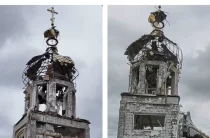
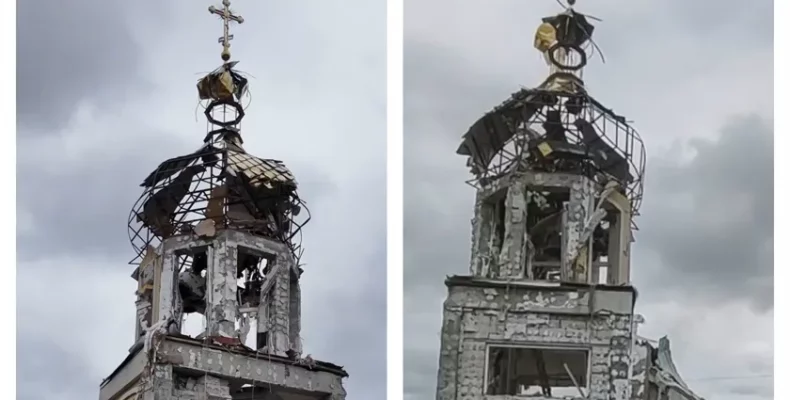
Біля входу на стільцях лежать балони з монтажною піною та прості інструменти — сліди того, як черниці намагалися власноруч залатати вікна після попередніх обстрілів. Тепер паперть усіяна уламками скла, а подвір’я біля напівзруйнованої дзвіниці завалене битою цеглою та уламками.
Понівечені будівлі монастиря дивляться в сіре небо порожніми очницями вибитих вікон, а тишу час від часу розриває дзижчання ворожих дронів, що вишукують нову ціль.
Гнітюча порожнеча святині, гострий біль за знищеною красою та глуха лють до загарбників — ось що залишає по собі війна. Їдкий сморід згарищ, завалені цеглою та уламками зірваних дахів вулиці, розгублені безпритульні коти й собаки — такими є реальні прояви «руського міра».
Такий вигляд сьогодні має Комишуваха, як і десятки інших прифронтових громад Запорізької області. Спершу війна витісняє звідси цивільних, перетворюючи землю на суцільну «кіл-зону», а слідом приходить тотальне спустошення. Адже все, що несе росія українському народові, — це неволя, темрява та загибель.
Варто завжди пам’ятати, хто сьогодні тримає цей фронт надлюдськими зусиллями та ціною власного життя, не дозволяючи ворогу просунутися вглиб країни — це піхота ЗСУ, наші Сухопутні війська.
On the morning of November 2, 2026, Russian forces launched an airstrike using guided aerial bombs on the town of Komyshuvakha, dropping a total of nine munitions of varying yields.
The St. Elizabeth Convent of the Ukrainian Orthodox Church (Moscow Patriarchate) was among the targets hit. Once again, the Russian aggressor demonstrated the cynical paradox of its own “traditional values,” dropping bombs on the very shrines it claims to protect.
Once a cozy and well-kept sanctuary that served as a true jewel of the town, the convent now lies in ruins. Inside the abandoned cells, the nuns’ personal belongings remain untouched, creating an eerie illusion that the residents stepped out for just a moment and will soon return. In the refectory, unfinished meals still sit on the tables.
In one of the cells, a nightlight still flickers; a towel and a cervical collar lie on an unmade bed, while medication and an open Bible rest on the nightstand. Bicycles belonging to local novices remain parked in the narthex, and the walls of the church vestibule are still covered with icons of Christ and the convent’s patroness, Saint Elizabeth.
The air inside the church shop, the library, and the katholikon (the main monastic church) still holds the scent of incense, myrrh, and lived-in warmth. Yet, this stillness is broken only by the wind, rustling the curtains in shattered window frames and sending mournful drafts through the wide-open doors of empty corridors.
Cans of expanding foam and simple tools sit on chairs near the entrance—evidence of the nuns’ attempts to patch up the windows themselves after earlier strikes. Now, the church porch is carpeted with shattered glass, and the courtyard beside the half-ruined bell tower is littered with broken bricks and debris.
The mutilated buildings of the convent stare up at the gray sky through the empty sockets of blown-out windows, while the silence is periodically pierced by the buzzing of enemy drones hunting for their next target.
The oppressive emptiness of a desecrated sanctuary, a sharp ache for destroyed beauty, and a quiet fury toward the invaders—this is what war leaves in its wake. The acrid stench of charred ruins, streets choked with bricks and the wreckage of torn-off roofs, and bewildered stray cats and dogs—these are the true hallmarks of the “Russian world.”
This is the reality of Komyshuvakha today, just like dozens of other frontline communities in the Zaporizhzhia region. First, the war drives out civilians, turning the land into a relentless “kill zone,” and total devastation follows close behind. For all that Russia brings to the Ukrainian people is bondage, darkness, and death.
We must always remember who holds this front line today through superhuman effort and at the cost of their own lives, preventing the enemy from pushing deeper into the country: the infantry of the Armed Forces of Ukraine, our Ground Forces.